Chemical Peels
Types of chemical peels and how they help your skin |
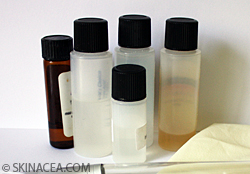
Chemical peels are one of the best ways to refresh your skin when it's feeling dull and rough. Depending on the kind of chemical peel you get, they can help fade dark marks, even out skin tone, improve fine lines, and treat sun damage.
Because there is so much information on chemical peels, this section is divided into the below four parts:
- Part 1: What are chemical peels?
- Part 2: Where to get them?
- Part 3: Chemical peels as an acne treatment
- Part 4: Side effects and warnings
Part 1: What are chemical peels?
Chemical peels are concentrated acidic solutions that exfoliate the outer layer of your skin, exposing the softer and smoother skin underneath. They are not necessary treatments, but they do give you results faster than, say, using a light alpha hydroxy acid (AHA) serum every night.
Some of the more common chemical peels include glycolic acid, lactic acid, and TCA peels (or trichloroacetic acid), ranging from 10% to 75% strength peels. Which percentage is right for you depends on what your doctor recommends, how your skin responds, what skin issues you are trying to treat, and whether you have gotten chemical peels before.
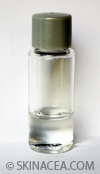
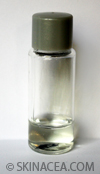
Here is a breakdown of the different types of chemical peels and what they do for your skin. The below comparison chart will also help you figure out which type of chemical peel is right for you:
| Type | What It Does |
|---|---|
|
|
 |
|
 |
|
 |
|
Enzyme Peel |
|
Jessner's Peel |
|
 |
|
Phenol Peel |
|
Depending on the type and strength of the peel you get, chemical peels can help improve light wrinkles, fade acne marks, reduce scarring and hyper-pigmentation, and improve overall skin tone. They can't get rid of moles (try lasers for those) but they can help minimize the appearance of skin tags. Of course, all of this is dependent upon what kind of peel you get, the strength of the peel, how many times you get the peel done, how your skin reacts, and how you take care of your skin post-peel.
First time peel-users should always start off with the lowest percentage peel and gradually increase as skin adjusts. Using a strong percentage on your skin the very first time can cause burns and potentially permanent damage. You might even be allergic to the particular acid used for the peel, so whenever you're thinking about getting a peel done, be sure you do your homework and read up on it. Don't be afraid to ask questions either. It's better to know what you're getting yourself in to than it is to be blind sided by something you didn't expect because someone forgot to tell you.
Chemical peels are generally used all over the face (except around the eyes) but you can also use them to spot treat other areas of your skin, such as your hands and neck. Keep in mind usually that more than one peel is necessary to get your desired results, so don’t expect a single peel to work any miracles. However, with proper and consistent use, chemical peels can keep your skin looking young and healthy.
Now that you know about the types of chemical peels and what skin issues they can fix, move on to part 2 to find out where you can get them done.
Last updated: September 20, 2012
Part 2: Where to Get Chemical Peels
