Acne Treatments - Supplements
Using supplements to clear your skin |
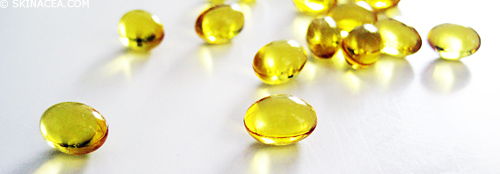
Acne can be as much internal as it is external. Therefore, sometimes you can help improve your skin by taking a few supplements. There are many different ones out there, some that I've never even heard of before, but I listed the more popular and well-reviewed supplements in the below chart, along with their function and main food sources:
| Type | Function | Food Sources |
|---|---|---|
Vitamin A |
Vitamin A is a fat soluble vitamin. It helps with skin healing and regulates sebum production. Vitamin A also helps skin function as a barrier to bacteria and viruses. Some people claim that high doses of Vitamin A will help treat acne. However, high doses of Vitamin A can be toxic and dangerous. Always check with your doctor before beginning such an oral regimen. |
|
Vitamin B Complex |
Vitamin B is broken down into individual vitamins such as vitamin B12, B6, etc. Each type of vitamin B aids bodily functions in a certain way (details here). Together, all the B vitamins help maintain healthy skin. It is actually thought that a deficiency in Vitamin B5 (or pantothenic acid) can cause acne. There's a regimen floating around on the internet claiming that ingesting large doses of Vitamin B5 will clear your skin. I admit I didn't try this long enough to see any results, but the thought of taking mega-doses of vitamins just doesn't agree with me. Who knows how safe that can be. |
|
Vitamin C |
Vitamin C is an antioxidant that can be applied topically or ingested orally. Vitamin C helps with collagen production, wound healing, and skin elasticity. It also fights free radicals in the body and boosts your immune system. Vitamin C comes in many different forms but is usually sold as ascorbic acid or Ester C. |
|
Vitamin D |
Vitamin D is necessary for overall health and well-being. It improves calcium absorption for maintaining healthy bones and muscles. Vitamin D is also thought to help cell growth reduce inflammation. Vitamin D is synthesized by our skin when it is exposed to sunlight. Because many of us wear sunscreen or are indoors for the majority of the day (during work or school), it is important to get enough Vitamin D, either through supplements or through sunlight. Although the sun causes aging and cancer, researchers believe that as little as 10 minutes of sun exposure will allow our bodies to synthesize adequate amounts of Vitamin D. Alternatively, Vitamin D2 or D3 is available as supplements. Vitamin D2 is plant-synthesized. Vitamin D3 is synthesized by animal forms and is the type of Vitamin D our bodies make when exposed to ultraviolet rays. |
|
Omega-3 |
Omega-3s have many important health benefits. They lower triglycerides and keep your heart healthy. They are also anti-inflammatory and can help stabilize your hormones. Some people with dry skin and eyes have reported feeling less dry after taking omega-3 supplements. While some people say they break out from fish oil or other Omega-3 supplements, it could be from Omega-6 and 9 in the supplement. Western diets are often Omega-6 heavy, which can cause an imbalance in Omega 3-6-9. Sugar or other fillers in the supplement could be responsible for breakouts as well. In general, Omega-3s shouldn't cause you to break out unless you are allergic to them or if the capsules aren't clean enough, but it all depends on how you react. You want to make sure whatever Omega-3 you buy is pure and free of metal toxins and hasn't gone rancid. You can't really tell if you take Omega-3 capsules, but you can test their freshness by puncturing them and seeing if they smell rancid. Purchase supplements from a reputable brand and make sure they are not expired. |
|
Zinc |
Zinc is a mineral that helps to regulate androgenic activity in your body (androgens are responsible for things like body hair and acne). It is also important for regulating oil production, fighting free radicals, and helping with scar healing. It helps to repair skin damage and heal wounds. You should take approximately 25-75 mg per day. Taking more than that can reduce your body's absorption of copper and cause other unwanted side effects. In fact, if you are taking 50mg of zinc, it's a good idea to take 5mg of copper as well because you can become deficient in copper when you take zinc. |
|
Aside from the supplements listed above, you also hear a lot about how saw palmetto, evening primrose oil (EPO), chasteberry (vitex), burdock root, green tea, and probiotics can help with acne. Of those things, I have only personally tried green tea and probiotics, both of which had no effect on my skin whatsoever. People say drinking green tea helps your skin, but I didn't see much of a difference even though I regularly drink 2-3 cups a day out of habit. The probiotics also didn't make me feel any different, so I thought I'd just save my money and not buy them anymore. However, since probiotics restore "good" bacteria to your digestive tract, they may be important for those who take antibiotics.
I don't know much about saw palmetto, evening primrose oil, or chasteberry, other than that they do something to your hormones. Evening primrose oil is actually a popular supplement for women in menopause, but it's supposedly a supplement that only older women should take (says my mom). Vitex (chasteberry) is an herbal supplement that can help regulate female hormones. As far as how well saw palmetto, evening primrose oil, and vitex work to treat acne, I have read a smatter of success stories here and there but that's about it. All supplements that target your hormones should be taken with caution and not combined with other hormonal treatments, such as birth control pills.
Burdock root, on the other hand, supposedly cleanses your liver and helps rid your body of toxins. The idea is that without toxins, you wouldn't get any acne. In Asia, they use burdock root in cooking and brewing teas, but fresh burdock root is hard to find in the States. Does taking burdock root actually help with acne? I have no idea, but I am leaning towards no. My thinking is that while supplements can help with clearing skin, they usually need some other kind of help too, like skin care, topical treatments, lifestyle changes, etc.
Before taking any oral supplements, you should always be aware of any potential side effects. Make sure you do the proper research and take the recommended amount for your age and gender. Also, be mindful of expiration dates and proper storage.
Supplements aren't magic pills for all of your skin problems. They can help some, but they mostly complement good skin care routines and healthy lifestyles. Therefore, before taking any supplements, it's best to try to get all your nutrients from food sources first.
Last updated: September 11, 2012
Back « Acne Treatment List
Related articles:
