How to Choose the Right Moisturizer
Guidelines for picking the best moisturizer for your skin type |
Like searching for a good cleanser, it can be difficult finding the perfect moisturizer for your skin. Even if a particular moisturizer doesn't break you out, some moisturizers feel too greasy and heavy or are simply not moisturizing enough. This section will discuss the basics of a good moisturizer and offer some helpful tips to consider when picking one out.
Part 1: Moisturizer Basics
Moisturizers keep your skin hydrated and supple. They lock in your skin’s natural moisture, as well as help attract moisture to the surface of your skin to prevent it from drying out. They also improve your skin barrier function. However, moisturizers are not necessary for everyone.
Like all skin care products, finding the perfect moisturizer is a trial-and-error process and what works for one person will not necessarily work for another. When you are selecting a moisturizer, take into consideration the following things:
- Smell
- Feel
- Breakouts and/or irritation
- Price
Most moisturizers include fragrance to make the product smell more appealing. I tend to use moisturizers with no fragrance because I like minimal ingredients. Those with sensitive skin might want to avoid the parfum ingredient as well. If your skin handles fragrance just fine, make sure you at least like the way a moisturizer smells because you will be wearing it on your face every day.
The second thing to consider when choosing a good moisturizer is the texture and feel of the moisturizer itself. You want to pick one that hydrates but won’t feel heavy and greasy. The ideal moisturizer is smooth and easy to apply and sinks into your skin instead of sitting on the surface. Fluid moisturizers (like lotions or gels) and serums tend to sink right in. However, they usually don’t provide enough moisture. It’s also good to make sure your moisturizer doesn’t leave you feeling sticky, especially on humid summer days.
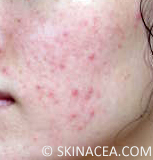
A good moisturizer should also not break you out, burn upon touching your skin, or cause any other kind of irritation. With all types of skin, particularly acne-prone skin, choosing such a good moisturizer is very, very difficult. You can read all the reviews you want about the product and look up all its ingredients, but you will never know how your skin will react until you try it out yourself. Nevertheless, reading product reviews and analyzing ingredient lists will narrow down the chance of breakouts and irritation.
These days, almost every product is labeled non-comedogenic ("hypoallergenic" or "dermatologist recommended") or in other words, non-pore blocking. It makes it seem like all skin care products with this label are safe to use and will not clog pores or cause breakouts. Many people assume non-comedogenic moisturizers hold the key to fixing all their skin woes. However, the term non-comedogenic is misleading.
The FDA neither defines a list of ingredients considered to be non-comedogenic nor provides a standard test to determine comedogenicity. So, even though these products may not block your pores, there isn’t much proof that not blocking pores will help reduce acne. Other ingredients in non-comedogenic products, such as waxes, could also cause irritation.
Last but not least, consider the price range of your moisturizer. There are expensive moisturizers and cheaper moisturizers. Whether you should splurge or settle for a more affordable one depends on your budget and the way the moisturizer is formulated. I generally spend a bit more money on moisturizers because I like to buy one that is at the proper pH, made with quality ingredients, and has a nice finish.
Choosing a moisturizer is a difficult task, but it isn't impossible! Read the next section for tips on what things you need to take into account to choose the right moisturizer for your skin.
Last updated: September 19, 2012
Part 2: Helpful Things to Consider when Choosing Moisturizers
