How to Pick the Right Cleanser
Guidelines for picking the best cleanser for your skin type |
Besides understanding the importance of cleansers and what things to look for in a good cleanser, whether a cleanser will work for you will also depend on your skin type. Here we will discuss the different types of cleansers and how they work with the different types of skin.
Part 3: Cleansers Based on Skin Type
In general, if you have dry skin, you should avoid using foaming cleansers and stick to ones that are more moisturizing. If you have oily skin, you don't necessarily have to use foaming cleansers, but they seem to be the preferred choice. If you have sensitive skin, try avoiding cleansers with acids, fragrances, dyes, and other harsh ingredients. If you have acne prone skin, stay away from drying medicated washes and stick to gentle cleansers.
Just because you have acne prone skin doesn't mean you need a harsh cleanser. While reducing oil can help with acne, it could also make acne worse. You simply can't wash or scrub away your pimples. You can only use cleansers to keep your skin fresh in order to help it more successfully fend off breakouts.
If a cleanser is too drying, don't keep using it because it will only continue to make things worse and disturb your skin's proper function. If you are like me, where even splashing with water can dry out your skin, consider using tissue-off cleaners or oil-based ones.
Here is a general breakdown and description of the different types of cleansers suitable for the different types of skin:
Bar Soaps:
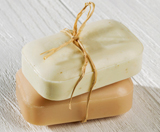 This is generally a skin care no-no. Bar soaps are bad because they are made from harsh detergents that strip everything (good and bad) from your skin. However, there are gentle bar soaps that are fine for your skin, such as Dove Beauty Bar (but this isn’t really a “soap”). Since bar soaps tend to be a bit more drying than other facial cleansers, they tend to be more suitable for those with oily skin.
Foaming:
Foaming cleansers can also be quite drying. Therefore, oily-skinned people tend to do better with foaming cleansers. Foaming cleansers are the types of cleansers that last the longest because all you need is a small amount of cleanser to work up a nice lather to clean your whole face. While foaming cleansers are fun to wash with, even the gentlest foaming cleansers can be too drying for those with dry or irritated skin. Foaming cleansers also come in gel or cream form. Cream foaming cleansers contain oils and emollients and may not be as stripping as gel foaming cleansers.Non-Foaming:
Non-foaming cleansers are usually gel or lotion type gentle skin cleansers marketed for those with sensitive or eczema-prone skin. I think of gel type cleansers as not the clear gels that foam up, but gels like Cetaphil. These are mild cleansers that don’t foam and in all honesty, don’t seem to clean that much. They are notorious for being unable to remove makeup and/or sunscreen. I guess that’s kind of the point though, to just be super gentle. Non-foaming cleansers can be washed off with water or simply tissued off. They can also leave a slight film on your skin. These types of cleansers are good for the morning or for those people with dry skin.Cleansing Balms:
Cleansing balms are either cream or oil-based tissue-off cleansers. They are usually used as makeup removers or by those with extremely dry skin. Cream cleansing balms resemble thick cold creams, while oil cleansing balms have a petroleum jelly like consistency. They are solid at room temperature, but liquefy when in contact with body heat. These types of cleansers are great for removing stage makeup, sunscreen, and other waterproof products. They usually leave an oily residue after tissuing off, but you can follow up with a second cleanser.Micellar:
Micellar cleansers are also known as cleansing waters. They don't look like a normal cleanser and have a very watery consistency. They are almost like a cleansing toner. To use a micellar cleanser, you wipe on the cleansing solution with a cotton pad and the micellar particles inside the cleanser allow dirt, oil, and whatever else to be dissolved by liquids in the cleanser. To remove everything, you simply tissue off or rinse clean. For those with skin easily irritated by tap water and everything else, micellar cleansers are an extremely gentle option.Oil Cleansers:
There are two different types of oil cleansers. One is a cleansing oil product and the other is called the Oil Cleansing Method.
Cleansing oils remove make-up and water-proof sunscreen that, say, a regular cleanser can't take off. You basically apply one or two pumps of the cleansing oil all over your face on dry skin, rub away, and rinse (it'll turn a milky white). Emulsifiers in the cleansing oil allow the oil to be washed off with just water. Cleansing oils can be purchased pretty much anywhere or made at home.
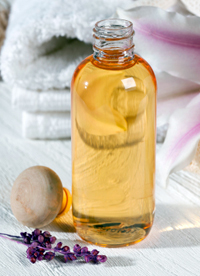 The Oil Cleansing Method (OCM) is similar to cleansing oils except with some slight differences. In the OCM, plain oil (ex. safflower, castor, olive, jojoba, Vaseline, etc) is rubbed on dry skin, steamed with a warm wash cloth (but don’t use water that’s too hot or you’ll get broken capillaries!), and then wiped off. Following up with a non-cleansing oil cleanser is optional, although I think most people do indeed wash a second time. Some people don’t remove the plain oil by a wash cloth but just wash off the oil with a good foaming cleanser afterwards.
The OCM allows your skin to be cleaned but also leaves slight traces of oil to moisturize and nourish. With cleansing oils, emulsifiers make it so that you don't have to wash again to remove any residual oil.
The concept behind using oils is “likes dissolves likes” or oils dissolve oils. If you think about it, you've got sebum and oil on your face and in your pores and oils are the perfect thing to bind with all that gunk, pull it out, and wash it away. Oils are also great at removing water-proof makeup and sunscreen. However, again, everyone’s skin is different. Often people are scared to try cleansing oils or the OCM because they are afraid they might break out. While some people do break out with cleansing oils, other people find that cleansing oils help improve their complexion. It all depends on your skin type.Medicated:
Medicated cleansers are cleansers in any of the above forms (but usually as foam cleansers) that are marketed towards acne-prone skin. The cleansers have either salicylic acid (to help unclog pores) or benzoyl peroxide (to help kill bacteria) as active ingredients. However, most medicated cleansers are too harsh and you are better off applying a separate acne treatment product after you cleanse with a plain but gentle cleanser.Soap-Free:
Soap-free cleansers are cleansers without sodium lauryl sulfate or sodium laureth sulfate. Cleansers with soap can be irritating or harsh for some people. Other people might need to use a soap-free cleanser before getting a chemical peel. Using a soap-free cleanser for a few days before the peel will help prep your skin for it and make the peel more effective. For a more thorough explanation about the difference between soap, soap-free, and what "soap" actually means, check here.
In conclusion, to pick the best cleanser, buy one that is suitable for your skin type, cleans well without stripping, and feels good on your skin. As a rule of thumb, it is better for a cleanser to be too gentle than for it to be too harsh.
Last updated: September 19, 2012
How to Choose the Right Moisturizer
Back « How To's
Related articles:
- 13 Common Causes of Acne
- How I Cleared My Skin
- DIY Recipe: Homemade Cleansing Oil
- FAQ: What types of oils are best for acne prone skin?
- Product Recommendations: Cleansers
